
California Road Trip: Los Angeles, San Francisco & Highway 1
The classic coastal road trip along the Pacific Coast Highway (State Route 1) connects two world-class cities with breathtaking coastal scenery, legendary national parks, and iconic beaches. This guide gives you everything you need to plan your California trip – from route and itinerary planning to rental car tips, best travel times, and budget.
Contents
- The Essentials at a Glance
- The Cities: Los Angeles, San Francisco & San Diego
- Los Angeles – Dream Factory on the Pacific
- San Francisco – The Hilly City on the Golden Gate
- San Diego – Sunshine City on the Border
- The Pacific Coast Highway: A Road Trip in Itself
- Itinerary: How to Drive the Route
- Inland Side Trips: Yosemite & Sequoia
- Yosemite National Park
- Sequoia & Kings Canyon
- Beaches & Surf Culture
- Best Time to Visit & Climate Zones
- Rental Car, Tolls & Practical Driving Tips
- Rental Car
- Tolls
- Fuel & Gas Stations
- Navigation & Apps
- Budget & Costs
- Entry Requirements, ESTA & Documents
- Conclusion: The Road Trip of a Lifetime
The Essentials at a Glance
California is the ultimate dream destination: endless coastal roads with Pacific views, vibrant metropolises, giant sequoia trees, and golden beaches. The Pacific Coast Highway (PCH, officially State Route 1) is widely regarded as one of the most scenic drives in the world, connecting Los Angeles in the south with San Francisco in the north. With enough time, you can extend the journey south to San Diego or inland to Yosemite and Sequoia National Parks.
German travelers note: you need an approved ESTA or visa before entering the United States. Apply for your ESTA well before booking your trip – ideally at least two weeks in advance. Use our Visa Check to find out in minutes which travel document applies to you. Also read our Tips for First-Time USA Travelers and our guide to US Entry: Customs & CBP.
The Cities: Los Angeles, San Francisco & San Diego
Los Angeles – Dream Factory on the Pacific
Los Angeles is much more than Hollywood glamour: the city sprawls across roughly 1,300 square kilometers and has something for everyone. Plan at least three to four days here.
Must-sees in LA:
- Hollywood & the Walk of Fame – The legendary star-studded sidewalk on Hollywood Boulevard, the TCL Chinese Theatre, and the Hollywood Sign (best viewpoint: Griffith Observatory)
- Santa Monica & Venice Beach – Lively promenades, Muscle Beach, and the historic Santa Monica Pier; perfect for sunsets
- Getty Center / Getty Villa – World-class art museum with free admission (only parking fee around USD 25)
- Griffith Park & Observatory – Large urban park with free entry and a panoramic view of the city
- Museums & Culture – LACMA, Natural History Museum, The Broad (Downtown)
- Grand Central Market – Downtown LA's vibrant street food hall
Accommodation: hotels from around USD 120/night. Traffic: LA is notorious for congestion – always build in generous buffer time.
San Francisco – The Hilly City on the Golden Gate
San Francisco is more compact and walkable than LA – many highlights are reachable on foot or by iconic cable car. Plan two to three days.
Must-sees in SF:
- Golden Gate Bridge – Best photo spots: Battery Spencer (north side, Marin Headlands) or Baker Beach
- Alcatraz Island – Daily NPS ferry tours; book tickets weeks in advance (around USD 45–50)
- Fisherman's Wharf & Pier 39 – Tourist hotspot with fresh seafood and sea lions
- Chinatown & North Beach – America's oldest Chinatown; North Beach with Caffe Trieste (Beat Generation)
- Lombard Street – The world's most winding street between Hyde and Leavenworth
- Mission District – Colorful murals, taquerias, and lively nightlife
Accommodation: hotels from around USD 160/night. Parking in SF is expensive and challenging – use public transit or pick up your rental car only on departure day.
San Diego – Sunshine City on the Border
San Diego at the southern end of your route is more laid-back and consistently sunny than LA. Two days cover the highlights comfortably.
Highlights San Diego:
- Balboa Park with the world-famous Zoo (entry from USD 65; Balboa Park itself is free)
- Gaslamp Quarter (historic neighborhood, restaurants, nightlife)
- Old Town San Diego (Spanish colonial heritage)
- Coronado Island with the historic Hotel del Coronado
- La Jolla Cove – sea turtles and sea lions right at the beach
The Pacific Coast Highway: A Road Trip in Itself
The PCH is not a freeway – it is an experience. Curves, overlooks, coastal cliffs, and Pacific views around every bend. The full route from San Diego to San Francisco covers roughly 800 miles (about 1,300 km). The classic LA-to-SF section is around 400–450 miles (650–720 km) depending on your chosen route.
Key highlights from south to north:
- Malibu (PCH, first 50 miles from Santa Monica) – Celebrity beaches (Zuma Beach, Point Dume), Malibu Lagoon State Beach
- Santa Barbara (about 100 miles north of LA) – America's Riviera: Spanish Colonial Revival architecture (Old Mission), Stearns Wharf, State Street. Highly recommended for an overnight stay.
- San Luis Obispo & Pismo Beach – Relaxed college town, beach, Edna Valley wine country
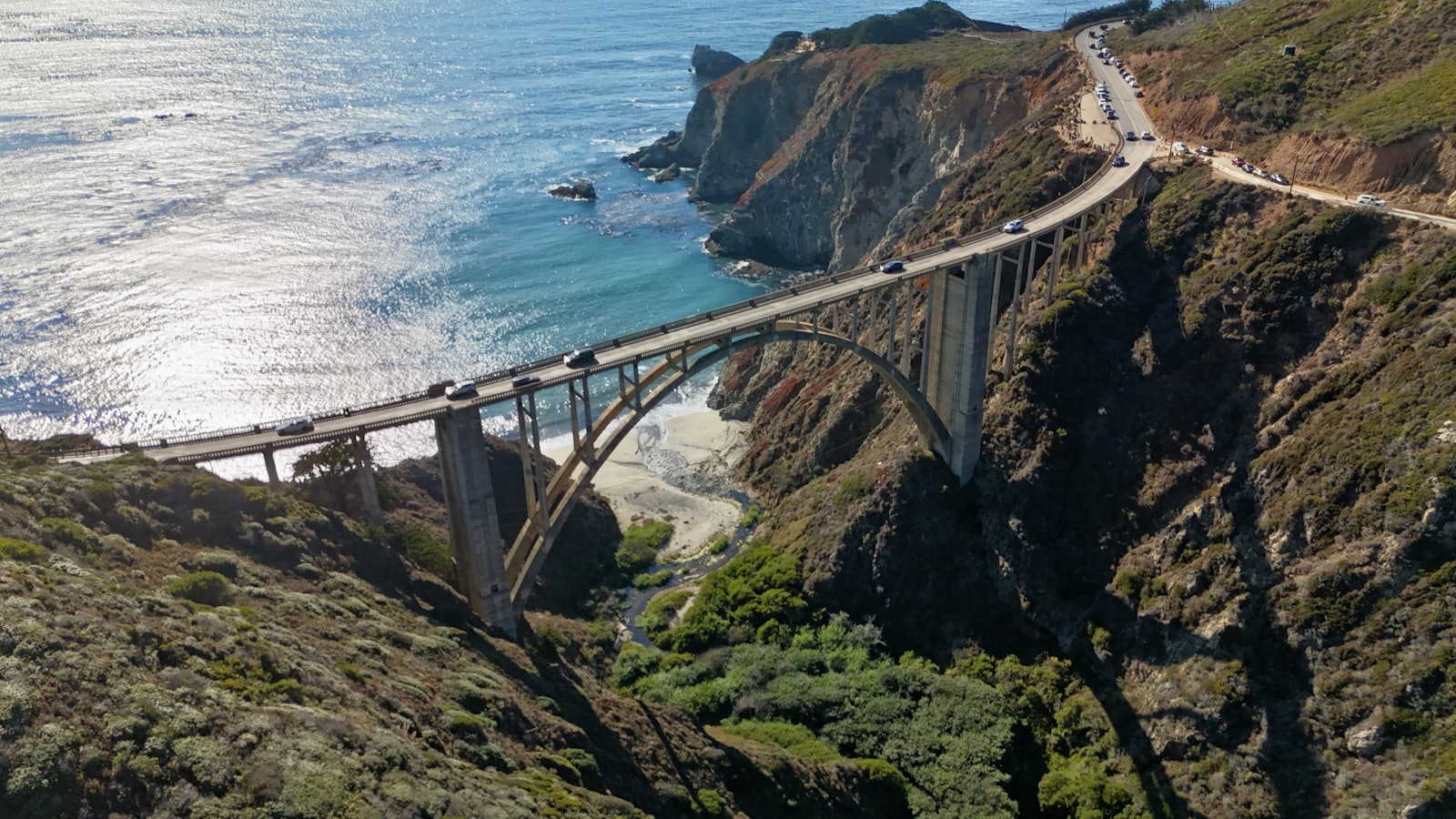
- Big Sur (between Carmel and San Simeon) – The most dramatic segment of the PCH: cliffs above the Pacific, redwood forests, Bixby Creek Bridge (one of the most photographed bridges in the world). Allow at least half a day.
- Monterey & Pacific Grove – World-famous Monterey Bay Aquarium (entry approx. USD 55), Cannery Row
- 17-Mile Drive (Pebble Beach) – Private scenic road through Monterey cypress forests and past golf courses; entry fee approx. USD 12 per vehicle. Highlight: The Lone Cypress
- Santa Cruz – Boardwalk, surf culture, university town
Note on Big Sur: Highway 1 in the Big Sur region is susceptible to rockslides and mudslides – especially after winter rains. Check the current road status with the California Department of Transportation (Caltrans) before your trip: dot.ca.gov. Closures can mean detours of several hours.
Itinerary: How to Drive the Route
Below is an overview for a classic route from Los Angeles to San Francisco. Times shown are pure driving time – always add generous stops.
| Leg | From – To | Distance (miles / km) | Driving Time (approx.) | Highlight en Route |
|---|---|---|---|---|
| 1 | Los Angeles (Santa Monica) – Santa Barbara | 100 mi / 160 km | approx. 2 hrs (PCH) | Malibu, Zuma Beach |
| 2 | Santa Barbara – San Luis Obispo | 100 mi / 160 km | approx. 2 hrs | Pismo Beach, wine country |
| 3 | San Luis Obispo – Big Sur (Carmel) | 130 mi / 210 km | approx. 3–3.5 hrs | Hearst Castle, Elephant Seals at Piedras Blancas |
| 4 | Big Sur / Carmel – Monterey | 30 mi / 50 km | approx. 45 min | Bixby Bridge, 17-Mile Drive |
| 5 | Monterey – Santa Cruz – San Francisco | 120 mi / 195 km | approx. 2.5–3 hrs | Santa Cruz Boardwalk |
| Total (LA to SF) | approx. 480 mi / 770 km | 10–12 hrs (driving only) | – |
Recommended trip length: 10 to 14 days for the full LA–SF route including side trips; 7 days as an absolute minimum for driving plus city sightseeing.
Southern extension: Add 2–3 days if starting from San Diego.
Inland Side Trips: Yosemite & Sequoia
Two world-class national parks are within reach as a day trip or stopover from the coast:
Yosemite National Park
Roughly 3.5–4 hours from San Francisco (via Manteca/Merced), Yosemite Valley offers sheer granite walls, waterfalls, and meadows. Important: a Timed Entry Permit is required, typically from April through October. Tickets are available at recreation.gov. Entry fee: around USD 35 per vehicle (7-day pass). Top viewpoints: Tunnel View, Valley View, Glacier Point.
For more parks in the American West, see our article on National Parks in the West.
Sequoia & Kings Canyon
About 3.5 hours southeast of Fresno (roughly 4–5 hours from LA) you'll find the largest trees on Earth: the General Sherman Tree in Sequoia National Park is the world's largest living tree by volume. Entry: USD 35 per vehicle (7-day pass). These parks cannot realistically be combined with Yosemite in a single day – plan as a separate extension of your trip.
Beaches & Surf Culture
California is the birthplace of modern surf culture. There are waves for every skill level along the PCH:
- Beginners: Malibu (First Point Malibu, Surfrider Beach) – long, mellow waves perfect for learning. Surf lessons from around USD 80–100/hour.
- Intermediate: Rincon Point (between Santa Barbara and Ventura), Steamer Lane in Santa Cruz
- Experts: Mavericks near Half Moon Bay (30 miles south of SF) – giant waves, experts only, mostly in winter
- Swimming & sunbathing: Santa Monica Beach, Coronado Beach in San Diego, Carmel Beach (spectacular scenery but cold, around 16–18 °C)
Always respect lifeguard warning flags and posted signs.
Best Time to Visit & Climate Zones
California has no single best travel season – climate zones vary considerably:
- Los Angeles & San Diego enjoy a Mediterranean climate: summers (June–September) are warm and sunny (25–30 °C), fall and spring are ideal, winters mild (15–18 °C). Summer is peak season with higher hotel prices.
- San Francisco often surprises European visitors: summer can be foggy and cool (average 18 °C in July), especially downtown and toward Ocean Beach. The famous "Karl the Fog" is a San Francisco institution. The sunniest months are September and October.
- Big Sur & Monterey – Rainy season November through March with elevated risk of landslides (PCH closures possible). Best weather April–October.
- Yosemite – Peak season July/August (Timed Entry required). Spring with snowmelt waterfalls (April/May) is spectacular; high passes may be closed in winter.
Recommendation for first-time road trippers: Late April to mid-June or September/October – pleasant temperatures, lower peak-season surcharges, fewer crowds in the parks.
Rental Car, Tolls & Practical Driving Tips
Rental Car
A rental car is essential for the PCH road trip. Book early (6–8 weeks in advance), especially in peak season.
- International Driver's Permit (IDP) is not legally required in California but is recommended alongside your national license and can be helpful during police stops. Available from ADAC or ADFC for a small fee.
- Minimum age: usually 21–25 years; drivers under 25 often incur a "Young Driver Fee" (USD 15–25/day extra).
- Vehicle class: a compact SUV or mid-size sedan is perfectly adequate for two people with luggage on coastal roads. No off-road vehicle necessary.
- Insurance: your credit card's collision waiver may cover damage in the US – verify carefully before you travel. Alternatively, take CDW/LDW from the rental company (approx. USD 20–35/day extra).
- Price comparison: rentals from around USD 50–80/day (mid-size, off-peak). One-way rentals (e.g., LA to SF) are possible, often with a surcharge.
Tolls
- Most sections of the PCH and city routes are toll-free.
- Exceptions: Bay Bridge in San Francisco (USD 6–8 per crossing), Golden Gate Bridge (USD 8–10, electronic only – no cash payment; via FasTrak or post-pay invoice).
- 17-Mile Drive: USD 12 entry fee per vehicle (entrance gate, not an electronic toll).
- Some LA freeways have optional express lanes (FasTrak required).
Fuel & Gas Stations
Gas is cheaper in the US than in Germany – roughly USD 1.10–1.50 per liter depending on region and oil prices. Fill up before entering the Big Sur segment – gas stations are scarce there.
Navigation & Apps
Google Maps or Waze work excellently throughout California. Apple Maps also offers outstanding US coverage. For offline maps: Maps.me or Here WeGo. A US prepaid SIM card (e.g., T-Mobile USA or AT&T, around USD 40–60/month) is strongly recommended.
Budget & Costs
Estimated costs for two people, 14 days:
- Rental car (14 days, mid-size incl. insurance): USD 900–1,400
- Accommodation (budget hotels/motels, 13 nights): USD 1,500–2,500 (USD 80–190/night)
- Fuel (approx. 800 miles PCH + city driving): USD 150–220
- Food (self-catered breakfast, simple lunch, restaurant dinner): USD 80–120/day for two
- Entry fees (Alcatraz, national parks, aquarium, Hearst Castle, etc.): USD 300–500
- Flights (Frankfurt/Munich → LA, return SF → Frankfurt): EUR 700–1,400 per person (economy, depending on booking lead time)
Total budget (excluding flights): approx. USD 4,000–7,000 for two people / 14 days.
Savings: Airbnb or hostels (from USD 40/night), America the Beautiful Pass for national parks (USD 80, covers all NPS parks for 12 months), early booking of rental cars and Alcatraz tickets.
Entry Requirements, ESTA & Documents
German citizens travel to the United States visa-free but require an approved ESTA (Electronic System for Travel Authorization) before departure. The ESTA costs USD 21 and is valid for 2 years once approved.
Apply for your ESTA at least 72 hours before departure – ideally much earlier. Visit our Visa Check or read more in our article ESTA or Visa.
At the US airport you will go through border control (CBP – Customs and Border Protection). More details in our article US Entry: Customs & CBP.
Additional documents:
- Valid passport (at least 6 months beyond return date – in practice 3 months beyond return suffices per US rules, but airlines may apply stricter checks)
- International Driver's Permit (recommended but not legally required)
- Credit card (rental cars, hotels – debit cards often not accepted)
- Travel health insurance (strongly recommended – medical treatment in the US is extremely expensive)
For more parks on the American West Coast, see our article on National Parks in the West. For a coast-to-coast combination, see New York City.
Conclusion: The Road Trip of a Lifetime
The coastal road trip along the Pacific Coast Highway ranks among the most unforgettable travel experiences North America has to offer. Those who plan enough time, approach each leg with intention, and embrace spontaneous stops at a scenic overlook or a deserted beach will return home with memories that last a lifetime. Book early, secure your ESTA in good time, load up a playlist, and hit the road – the Pacific is calling.
Frequently asked questions
Do I need a US visa for a California road trip?+
German citizens can enter the United States without a visa but need an approved ESTA (Electronic System for Travel Authorization). The ESTA costs USD 21 and must be applied for online at esta.cbp.dhs.gov before departure. Once approved, it is valid for 2 years.
How long should the road trip be at minimum?+
For the LA-to-SF drive along the Pacific Coast Highway, plan at least 7 days – with little time for extended stops. A comfortable trip takes 10 to 14 days, allowing time for cities, Big Sur, Monterey, and a national park side trip.
Is Highway 1 through Big Sur always open?+
No. Highway 1 through Big Sur is particularly prone to mudslides and rockfalls after winter rains, which can lead to road closures. Check the current status at dot.ca.gov (Caltrans) before your drive. Closures are less common in summer (July–October).
Do I need an International Driver's Permit in California?+
An International Driver's Permit (IDP) is not legally required in California, but is recommended alongside your national license as an official translation. It is available from ADAC or ADFC for a small fee. Rental companies do not require an IDP, but it can be helpful if stopped by police.
What is the best time of year for the coastal road trip?+
Late April to mid-June and September through October are ideal travel months: pleasant temperatures, fewer peak-season surcharges, and smaller crowds in the national parks. San Francisco is often foggy and cool in July/August – the Indian Summer in September/October is particularly beautiful there.
How much should I budget for the road trip?+
For two people and 14 days (excluding flights), budget around USD 4,000–7,000. The biggest items are rental car (USD 900–1,400), accommodation (USD 1,500–2,500), and food. The America the Beautiful Pass (USD 80) saves money on national park entries.
Can Yosemite be easily combined with the coastal road trip?+
Yes – Yosemite is about 3.5–4 hours from San Francisco and works well as a side trip before or after your SF stay. Important: from April through October, a Timed Entry Permit is required, bookable at recreation.gov.
Sources
- Visit California – Official Travel Guide · Visit California
- Caltrans – Highway 1 Road Information & Closures · California Department of Transportation (Caltrans)
- National Park Service – Yosemite National Park · U.S. National Park Service
- National Park Service – Sequoia & Kings Canyon · U.S. National Park Service
- CBP – U.S. Customs and Border Protection Entry Information · U.S. Customs and Border Protection
- ESTA Official Application – U.S. Travel Authorization · U.S. Customs and Border Protection / DHS
Foto: Rodrigo Kammer / Unsplash
Not sure what you need?
Find out in two minutes whether ESTA or a visa is right for you. We guide you personally through your visa application.
US-Visa-Service Redaktion
US entry & visa editorial team
Carefully researched and regularly reviewed. Non-binding guidance — the final decision on entry and visas rests solely with the US authorities.
Keep reading
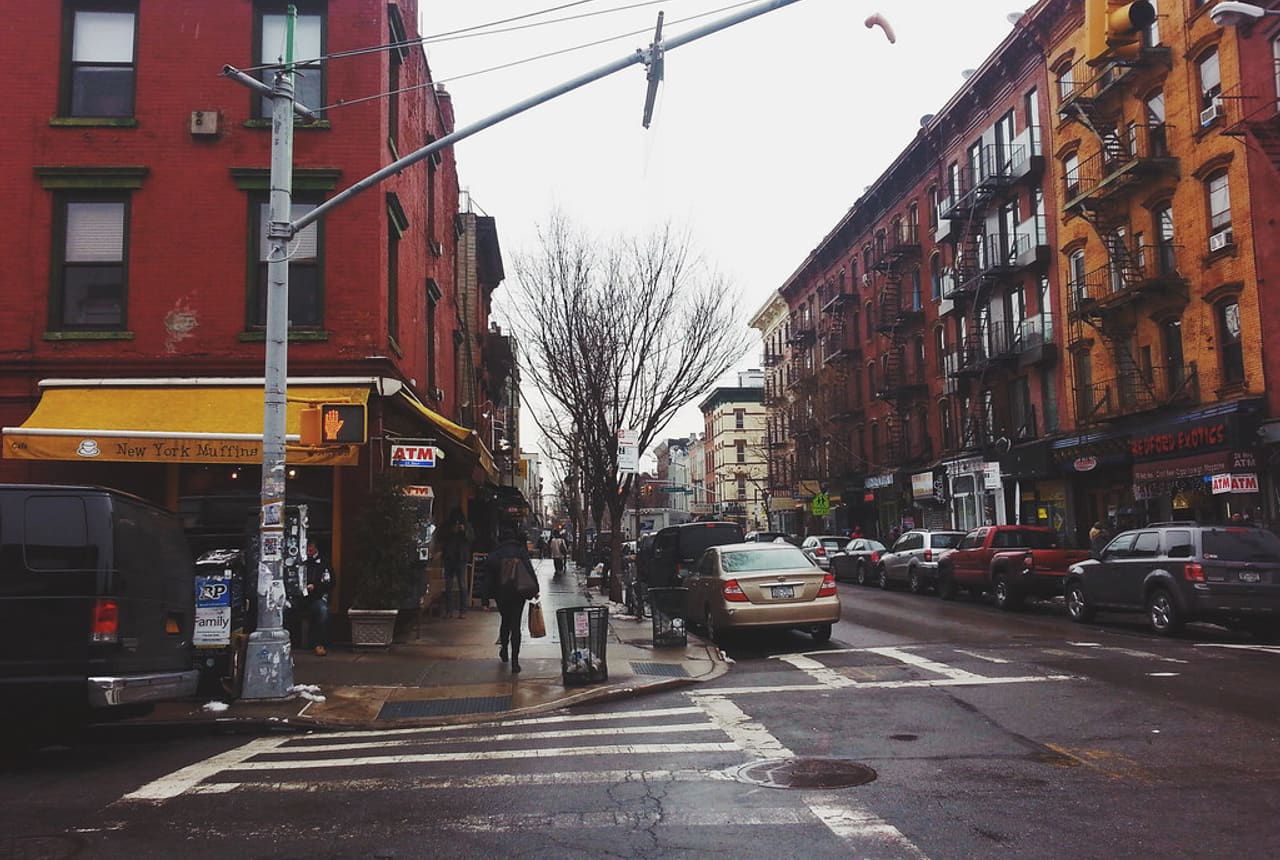
Traveling to the USA for the First Time: Preparation & Everyday Life
A practical guide for your first trip to the USA: checklist, ESTA, travel health insurance, tipping, payments, eSIM, rental cars and everyday life – with up-to-date facts for 2026.
Read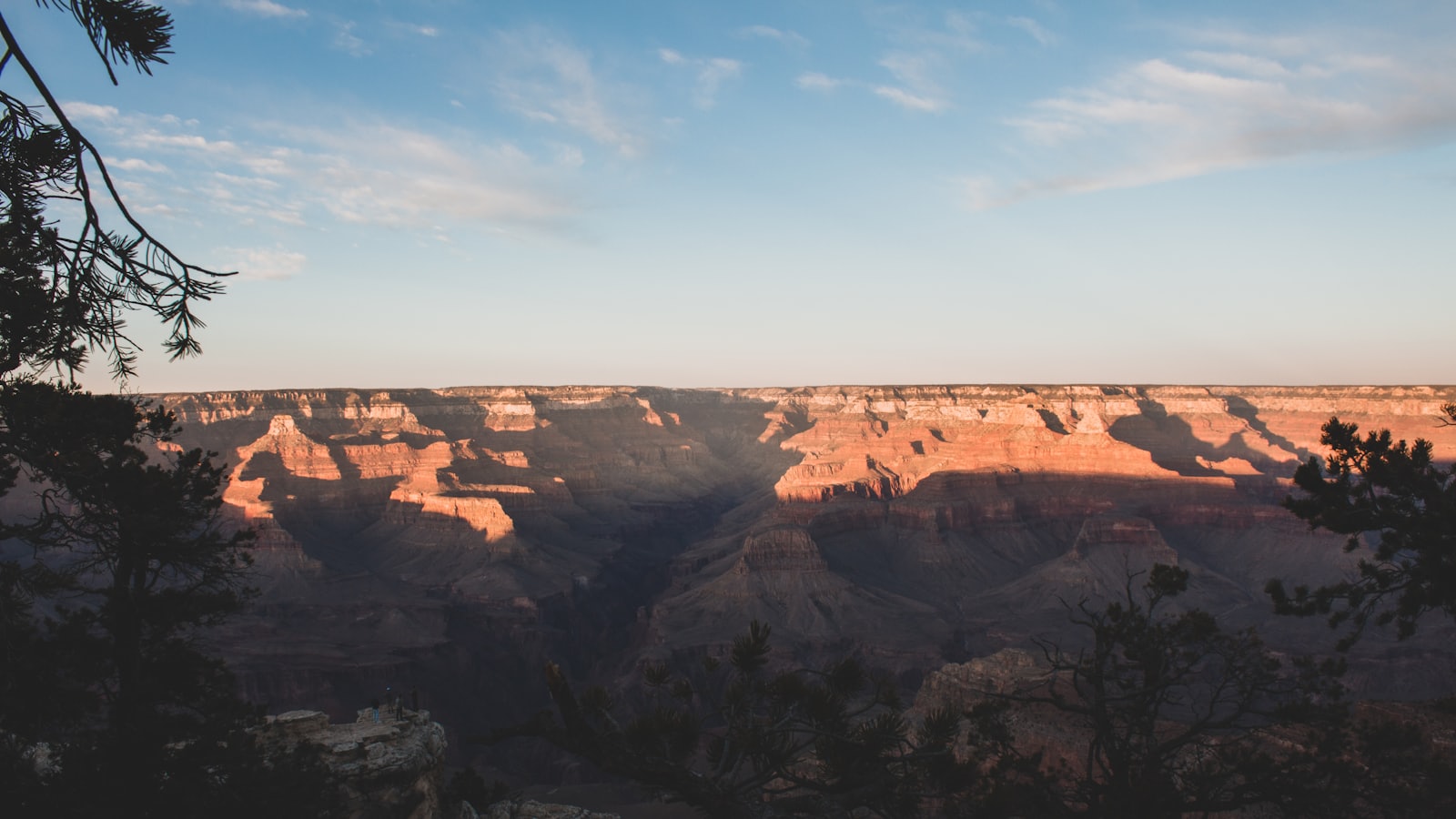
US National Parks in the West: The Ultimate Road Trip Guide
Grand Canyon, Zion, Yellowstone, Yosemite and more: this guide covers the best routes, ideal travel seasons, the America the Beautiful annual pass, and everything you need to know before you go.
Read
Hawaii – Islands, Beaches & Volcanoes: Your Complete Travel Guide
Honolulu, Waikiki, the Road to Hana, active volcanoes, whale watching – Hawaii packs more wonder into one US state than almost anywhere else. Find out which island suits you, when to go, and what you need to know about entry requirements.
Read