
US National Parks in the West: The Ultimate Road Trip Guide
Grand Canyon, Zion, Yellowstone, Yosemite and more: this guide covers the best routes, ideal travel seasons, the America the Beautiful annual pass, and everything you need to know before you go.
Contents
- The Essentials at a Glance
- Overview: Eight Natural Wonders of the West
- Classic Road Trip Routes
- The Southwest Loop from Las Vegas
- The "Mighty Five" Utah Loop
- Yosemite & Northern California
- Yellowstone & Grand Teton
- Entry Fees: The America the Beautiful Annual Pass Is Almost Always Worth It
- Reservations & Timed Entry: Book Early or Risk Being Turned Away
- Accommodation: Lodges, Glamping and Campsites
- Best Time to Visit: When to Go Where
- Safety: Heat, Altitude and Wildlife
- Rental Cars & Practical Tips
- ESTA & Entry: What to Arrange Before You Leave Home
- Culture & Respect: Navajo Nation and Indigenous Heritage
- Combining with Hawaii or the Pacific Coast
The Essentials at a Glance
The American West is home to a concentration of natural wonders unmatched anywhere on earth. A single road trip can take you from blazing red sandstone spires to steaming geysers, sheer granite walls and endless desert plains — a landscape that leaves even seasoned travelers speechless. Two things to know upfront: German citizens entering the United States need an approved ESTA or visa which should be obtained before booking flights or hotels. Additionally, popular parks such as Yosemite or the Grand Canyon should be reserved well in advance, as campsites and lodges can sell out up to twelve months ahead.
This guide is for travelers planning a Southwest or West Coast road trip and wanting to explore America's greatest national parks independently. You'll find recommendations on routes, travel seasons, the entry fee system, accommodation options and safety — everything you need to make your national park adventure a success.
Overview: Eight Natural Wonders of the West
The national parks of the American West are spread across several states, but can be connected elegantly on classic road trip routes. The table below provides a first orientation:
| Park | State | Highlight | Best Time to Visit |
|---|---|---|---|
| Grand Canyon | Arizona | South Rim, North Rim, Colorado rafting | Mar–May, Sep–Nov |
| Zion | Utah | Angels Landing, The Narrows | Mar–May, Sep–Nov |
| Bryce Canyon | Utah | Hoodoos, stargazing | May–Oct (snowshoeing in winter) |
| Arches | Utah | Delicate Arch, 2,000+ natural arches | Mar–May, Sep–Oct |
| Monument Valley | Arizona/Utah | The Mittens Buttes, Navajo culture | Year-round, spring/fall ideal |
| Death Valley | California | Badwater Basin (lowest point in USA), sand dunes | Oct–Apr |
| Yosemite | California | El Capitan, Half Dome, Yosemite Falls | May–Oct |
| Yellowstone | Wyoming/Montana/Idaho | Old Faithful, Grand Prismatic Spring | Jun–Aug, Sep |
Each of these parks offers a completely distinct experience. Travelers hoping to visit all eight in one trip should plan for three to four weeks. A compact Southwest loop covering the Utah parks plus the Grand Canyon is very doable in two weeks.
Classic Road Trip Routes
The Southwest Loop from Las Vegas
Las Vegas is the ideal hub for a Southwest road trip. Flights from Europe are often cheaper than those to Los Angeles, car rentals are plentiful, and the distances are manageable. A typical 10-day itinerary:
- Days 1–2: Las Vegas → Zion National Park (~2.5 hrs) — warm up with easy trails like the Pa'rus Trail, then tackle Angels Landing or The Narrows on day two.
- Day 3: Zion → Bryce Canyon (~1.5 hrs) — hoodoos at sunset, stargazing at this International Dark Sky Park.
- Day 4: Bryce Canyon → Arches/Moab (~3 hrs) — Delicate Arch at sunset, overnight in Moab.
- Days 5–6: Explore Canyonlands and Arches in depth; optional Dead Horse Point State Park.
- Day 7: Moab → Monument Valley (~2.5 hrs) — Navajo Nation, Scenic Drive, optional guided jeep tour.
- Days 8–9: Monument Valley → Grand Canyon South Rim (~3 hrs) — sunrise at Mather Point, Bright Angel Trail hike.
- Day 10: Grand Canyon → Las Vegas (~4.5 hrs, with a stretch of Route 66 possible).
Tip: Don't plan more than one major driving leg of 3–4 hours per day. Parking, ranger stations and unexpected photo stops eat up far more time than you'd expect. Rushing through the parks means missing the point.
The "Mighty Five" Utah Loop
Utah alone packs five spectacular national parks: Zion, Bryce Canyon, Capitol Reef, Canyonlands and Arches. This loop can be completed comfortably in 7–10 days departing from Las Vegas or Salt Lake City, and works beautifully as a stand-alone trip without the Grand Canyon.
Yosemite & Northern California
Yosemite is closer to San Francisco (~3.5 hrs) than to Los Angeles (~6 hrs). A classic Northern California route combines San Francisco, the Napa or Sonoma wine regions, Point Reyes National Seashore and Yosemite in a 10–14-day loop. Those with extra time can extend north to Redwood National Park. For more detail, see our article on the California road trip.
Yellowstone & Grand Teton
Yellowstone pairs naturally with the adjacent Grand Teton National Park to the south. Jackson Hole, Wyoming makes an excellent base. Plan at least three full days for Yellowstone — the park is larger than Rhode Island and Delaware combined.
Entry Fees: The America the Beautiful Annual Pass Is Almost Always Worth It
Every national park charges an entrance fee. A standard vehicle entry typically costs between 20 and 35 US dollars (as of 2026), covers up to seven people in the vehicle and is usually valid for seven consecutive days. Anyone visiting more than three parks will almost certainly save money with the America the Beautiful Annual Pass.
The Interagency Annual Pass costs around 80 US dollars and is valid for one year from the date of purchase at all national parks and many other federal recreation areas (National Monuments, Recreation Areas, etc.). It covers the vehicle and up to four additional adults. For families or groups, the pass pays for itself after just two or three park visits.
You can purchase the pass:
- Online at recreation.gov
- At the entrance to most national parks
- At select REI stores and visitor centers
Children under 16 enter all US national parks free of charge.
Reservations & Timed Entry: Book Early or Risk Being Turned Away
The surging popularity of national parks has led many administrations to introduce timed-entry systems — meaning you need a reservation to enter the park during peak hours, even if you already hold an annual pass.
Parks with timed-entry systems (as of 2026; subject to annual change):
- Yosemite: Timed entry typically May–September, booked through recreation.gov
- Zion: Mandatory shuttle system, no private vehicles in the main canyon (spring through fall); Angels Landing also requires a permit lottery
- Arches: Timed entry April–October, booked through recreation.gov
- Rocky Mountain: Timed entry during peak season
Lodge and campsite reservations sometimes open 12 months in advance and sell out within minutes for the most popular spots. Use recreation.gov as your central booking platform and enable notifications for cancellations.
Warning: Many European travelers underestimate these reservation requirements. Book parks and accommodation well before you purchase your flights — not the other way around.
Accommodation: Lodges, Glamping and Campsites
The range of accommodation options in and around the parks is broad:
Park Lodges (In-Park Accommodation): Lodges located within the parks — such as El Tovar on the Grand Canyon South Rim, Zion Lodge, or the Old Faithful Inn in Yellowstone — are legendary and frequently booked more than a year in advance. They offer the unique experience of being on-site at dawn before day visitors arrive. Prices for a double room start at around 150–200 USD per night; popular properties can exceed 300 USD.
Campgrounds: Camping is the most affordable and often the most immersive way to experience the parks. Campsite fees range from 15 to 35 USD per night. Many sites are bookable through recreation.gov; others are first-come, first-served. Renting an RV (motorhome) combines mobility and accommodation — rentals are available in cities such as Las Vegas, Denver and Salt Lake City.
Gateway Towns: Towns near the parks — such as Springdale (near Zion), Moab (Arches/Canyonlands), Flagstaff (Grand Canyon), Gardiner (Yellowstone north entrance) or Yosemite Valley Village — offer hotels, restaurants and shops. They are often cheaper and more flexible than in-park accommodation.
Best Time to Visit: When to Go Where
The ideal travel season depends heavily on your chosen destination:
Spring (March–May): Ideal for the Southwest (Zion, Bryce, Grand Canyon, Arches). Temperatures are pleasant, wildflowers bloom and crowds are smaller than in summer. Bryce Canyon can still have snow in March.
Summer (June–August): Peak season in nearly all parks. Yosemite and Yellowstone are at their most dramatic, but also their most crowded. The Grand Canyon and Death Valley experience dangerous heat extremes — deep-canyon hikes should be avoided.
Autumn (September–November): Particularly recommended. Visitor numbers drop, temperatures are comfortable, and the fall colors in Yosemite and Yellowstone are spectacular. Arches and Zion are at their finest in October.
Winter (December–February): Death Valley is at its best (15–25 °C / 60–77 °F). Yellowstone offers snowshoe tours and dog sledding. The Grand Canyon North Rim closes; the South Rim stays open, often with a scenic dusting of snow.
Safety: Heat, Altitude and Wildlife
The national parks of the West are not theme parks — nature presents real hazards that must be taken seriously.
Heat & Dehydration: Summer temperatures at the Grand Canyon can exceed 40 °C (104 °F); in Death Valley they can surpass 50 °C (122 °F). The NPS advises: "Hike smart, not hard." Head out early in the morning, turn back by midday, drink at least half a liter of water per hour (plus electrolytes), and wear light, breathable clothing and a sun hat. Rangers report dozens of heat-related medical emergencies every year, including tragic fatalities.
Altitude Sickness: Many park areas sit between 6,500 and 11,500 feet (2,000–3,500 m). Bryce Canyon (7,900–8,900 ft), Grand Canyon North Rim (8,200 ft) and Yellowstone (7,900 ft) are all at elevation. Flying in and immediately heading to altitude can cause headaches, nausea and sleep disturbance. Drink plenty of water, avoid strenuous activity on your first day, and descend if symptoms persist.
Wildlife: Yellowstone is home to black bears, grizzly bears, bison, elk and wolves. Always maintain at least 25 yards (23 m) from bison and at least 100 yards (91 m) from bears. Carry bear spray and know how to use it. Never leave food in your car or at your campsite — bears are intelligent and will break windows if necessary. In desert environments: watch for rattlesnakes, especially in rocky terrain.
Trail Planning: Always check current weather conditions and trail closures at the visitor center. Download offline maps (e.g., AllTrails) before entering, as mobile coverage is absent in many parks. Let someone you trust know your planned hiking route.
Rental Cars & Practical Tips
A rental car is essential for most national park road trips — public transport barely serves these areas. Key points to keep in mind:
- Vehicle choice: A standard mid-size car is sufficient for most paved park roads. For unpaved scenic drives (e.g., Canyonlands Needles, Monument Valley Scenic Drive), a 4WD vehicle is recommended. RVs are sometimes restricted or banned on certain park roads.
- Book early: Rental cars in the West are scarce and expensive during peak season. Book at least three months ahead.
- Fuel strategy: Fill up whenever you can. In remote areas (e.g., between Monument Valley and Moab), the next gas station can be 80–100 miles away, and prices at remote stations are significantly higher.
- Speed limits: Parks typically enforce 25–45 mph limits. Wildlife crossings and animal sightings require readiness to brake at any moment.
- Driver's license: Your German driver's license is valid in all US states. An International Driving Permit is recommended but rarely strictly required.
If this is your first trip to the United States, we recommend reading our tips for first-time USA travelers and our guide to US entry: customs & CBP.
ESTA & Entry: What to Arrange Before You Leave Home
German citizens can enter the United States without a visa — but only with a valid, approved ESTA (Electronic System for Travel Authorization). ESTA is not a visa; it is an electronic travel authorization that must be obtained before each visit. Processing typically takes a few hours to 72 hours, though in rare cases it can take longer.
Important: Apply for your ESTA before booking your flights — purchasing tickets without a valid ESTA is a significant risk. Use our visa check to determine your personal entry requirements, or read our full guide at ESTA or visa.
Note: Travelers who have previously visited certain countries (including Iran, North Korea, Cuba, Sudan — and since 2016 also Syria, Yemen, Somalia, Libya and Iraq) or hold a passport stamp from those countries are excluded from the Visa Waiver Program and must apply for a B-1/B-2 tourist visa.
Culture & Respect: Navajo Nation and Indigenous Heritage
Many of the Southwest's most iconic landscapes — including Monument Valley and parts of Canyon de Chelly — lie within the Navajo Nation, the largest indigenous reservation in the United States. Visiting these areas as an outsider is only permitted with an official Navajo guide. Respect the applicable rules: photography is prohibited in certain locations, photographing individuals requires explicit consent, and ceremonial sites must not be entered.
Throughout the national parks: petroglyphs, cliff dwellings (such as those at Mesa Verde) and archaeological sites must not be touched or disturbed. The Archaeological Resources Protection Act imposes serious penalties for violations.
Combining with Hawaii or the Pacific Coast
Many travelers combine a Southwest road trip with a detour along the Pacific Coast or to Hawaii. Those flying into Los Angeles can drive the Pacific Coast Highway (PCH) north to San Francisco, then catch a domestic flight to Las Vegas to begin the Southwest loop — a fantastic combination. For details on the coastal route, see our California road trip article.
Hawaii is not a road trip destination in the classic sense, but it does boast spectacular national parks (Hawaii Volcanoes, Haleakalā). Read more in our article on Hawaii.
Frequently asked questions
Do I need a separate ticket for each national park?+
Not necessarily. The America the Beautiful Annual Pass (~USD 80) covers entry to all US national parks and many other federal lands. It applies to the vehicle and up to four additional adults. Individual vehicle passes cost 20–35 USD depending on the park and are valid for 7 consecutive days.
How far in advance should I book national parks and lodges?+
For popular parks like Yosemite or the Grand Canyon, lodges and campsites should be booked as early as possible — ideally 6–12 months in advance. Timed-entry tickets (e.g., for Arches) are often released just a few days ahead or allocated via lottery.
What route do you recommend for two weeks in the Southwest?+
The classic route: Las Vegas → Zion → Bryce Canyon → Arches/Moab → Canyonlands → Monument Valley → Grand Canyon → Las Vegas. This circuit works well in 10–14 days and covers a wide variety of landscapes.
Is Death Valley really dangerous in summer?+
Yes. Death Valley holds the record for the highest reliably recorded air temperature on earth (54.4 °C / 130 °F). In summer (June–August), ground temperatures can reach 80 °C (176 °F). The National Park Service explicitly warns against hiking in summer months and recommends visiting between October and April.
Do I need a guide for Monument Valley?+
Monument Valley lies within the Navajo Nation and is managed by the Tribal Park Administration. The Scenic Drive (approx. 17 miles, unpaved) can be driven independently. However, hikes off the Scenic Drive and access to many viewpoints on the reservation require an officially licensed Navajo guide.
Can I drive in the USA with a standard German driver's license?+
Yes. A valid German driver's license is recognized in all US states. An International Driving Permit (IDP) is recommended as a supplement but is rarely legally required in practice. Car rental companies generally accept a German license without issue.
How do I apply for an ESTA for the USA?+
ESTA applications are submitted exclusively online through the official US Department of Homeland Security website (esta.cbp.dhs.gov). The fee is USD 21 (as of 2026). Apply at least 72 hours before departure — ideally before booking your flights. An approved ESTA is valid for two years or until your passport expires, whichever comes first.
Sources
- National Park Service — Official Website · U.S. National Park Service
- Recreation.gov — Reservierungen & America the Beautiful Pass · U.S. Department of the Interior / USDA
- ESTA-Antrag — U.S. Department of Homeland Security · U.S. Customs and Border Protection (CBP)
- Navajo Nation Parks & Recreation — Monument Valley Navajo Tribal Park · Navajo Nation Parks & Recreation
- Death Valley National Park — Heat Safety · U.S. National Park Service
- U.S. Travel — Einreiseinfo für internationale Reisende · U.S. Customs and Border Protection
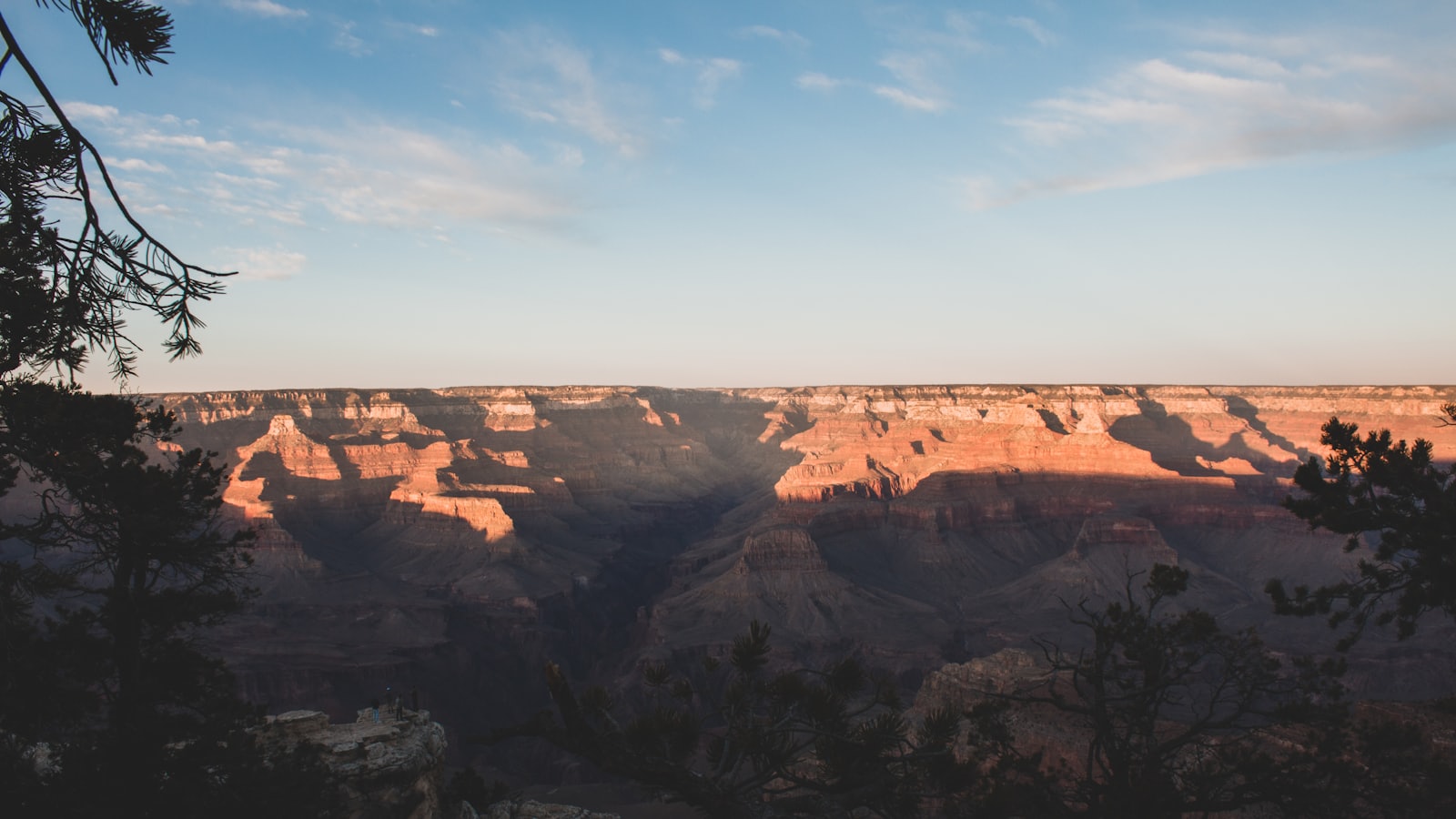
Foto: Aditya Vyas / Unsplash
Not sure what you need?
Find out in two minutes whether ESTA or a visa is right for you. We guide you personally through your visa application.
US-Visa-Service Redaktion
US entry & visa editorial team
Carefully researched and regularly reviewed. Non-binding guidance — the final decision on entry and visas rests solely with the US authorities.
Keep reading
Traveling to the USA for the First Time: Preparation & Everyday Life
A practical guide for your first trip to the USA: checklist, ESTA, travel health insurance, tipping, payments, eSIM, rental cars and everyday life – with up-to-date facts for 2026.
Read
Hawaii – Islands, Beaches & Volcanoes: Your Complete Travel Guide
Honolulu, Waikiki, the Road to Hana, active volcanoes, whale watching – Hawaii packs more wonder into one US state than almost anywhere else. Find out which island suits you, when to go, and what you need to know about entry requirements.
Read
Orlando, Florida: Theme Parks, Planning & Insider Tips for Your Ultimate Park Vacation
Orlando is the undisputed theme park capital of the world. Walt Disney World, Universal Orlando Resort with the new Epic Universe, SeaWorld, and countless other attractions await. Find out everything about tickets, reservation systems, the best time to visit, budgeting, and family travel tips — so your Florida vacation runs smoothly from start to finish.
Read