
New York City – The Ultimate City Trip Guide
Manhattan, the Brooklyn Bridge, the Statue of Liberty, Central Park: this guide shows you how to plan your New York City trip perfectly – from arrival and top sights to budget, the subway, and safety tips.

Contents
- Key Facts at a Glance
- The Boroughs: What's Where?
- Top Sights at a Glance
- Statue of Liberty & Ellis Island
- The High Line and Chelsea Market
- Best Time to Visit
- Getting There: Airports and Transfers to the City
- Getting Around: Subway and Beyond
- Sightseeing Passes: Are They Worth It?
- Budget, Tipping, and Sales Tax
- Safety and Etiquette
- Ideal Length of Stay
- Day Trips from New York City
- Entry Requirements: ESTA and Customs
Key Facts at a Glance
New York City is one of the most exciting metropolises in the world – and for many German-speaking travellers, it is their very first major US destination. Five boroughs, around 8.3 million residents, and a skyline that is instantly recognisable: the city that never sleeps has something for every travel style, from cultural highlights and gourmet restaurants to vibrant nightlife districts and peaceful riverside promenades.
Before your trip, there are a few things to sort out in advance: German-speaking travellers need a valid ESTA or visa to enter the United States – make sure to apply before booking your travel. For a quick check, try our Visa Check tool. Also keep in mind: in the US, sales tax and a socially expected tip are always added on top of listed prices – plan your budget accordingly.
The Boroughs: What's Where?
New York City consists of five official boroughs. For city trippers, Manhattan and Brooklyn take centre stage, but Queens, The Bronx, and Staten Island all have their own appeal for day trips.
- Manhattan is the pulsating heart of the city: Midtown with Times Square and the Empire State Building, the refined Upper East Side with the Metropolitan Museum, the hip Lower East Side and Greenwich Village, historic Lower Manhattan with Wall Street and the 9/11 Memorial, and the northern stretch of the island with Central Park.
- Brooklyn has grown from insider tip to must-see: DUMBO with a spectacular view of Manhattan and the Brooklyn Bridge, Williamsburg with indie restaurants and vintage shops, and the Brooklyn Heights Promenade – the perfect photo spot for the skyline.
- Queens is the most culinarily diverse borough – Flushing Chinatown, Jackson Heights (Little India/Little Colombia), and Astoria (Greek-American) are foodie paradises. It is also home to JFK and LaGuardia airports.
- The Bronx is home to Yankee Stadium, the Bronx Zoo (the largest metropolitan zoo in the US), and the lush New York Botanical Gardens.
- Staten Island is reachable via a free ferry and offers a spectacular, cost-free view of the Statue of Liberty and the Manhattan skyline.
Top Sights at a Glance
| Attraction | Borough / Location | Recommended Duration | Tip |
|---|---|---|---|
| Statue of Liberty & Ellis Island | New York Harbor / Liberty Island | Half day | Book tickets well in advance; Crown tickets sell out months ahead |
| Empire State Building | Midtown Manhattan | 1–2 hours | Go in the evening for the illuminated skyline; Top of the Empire Pass saves money |
| Times Square | Midtown Manhattan | 30–60 min | Experience it by day and night; watch out for pickpockets |
| Central Park | Upper Manhattan | 2–4 hours | Rent a bike or book a guided tour |
| Brooklyn Bridge | Lower Manhattan / Brooklyn | 1–2 hours | Walk across it (about 30 min); DUMBO side is best for photos |
| 9/11 Memorial & Museum | Lower Manhattan | 2–3 hours | Museum charges admission; Memorial Pools are free |
| Metropolitan Museum of Art | Upper East Side | 3–5 hours | Around 30 USD admission; allow plenty of time |
| MoMA (Museum of Modern Art) | Midtown Manhattan | 2–3 hours | Extended opening hours on Friday evenings; ca. 30 USD admission |
| High Line | Chelsea / Meatpacking | 1–2 hours | Free to enter; best in spring and summer |
| One World Observatory | Lower Manhattan | 1–2 hours | Book online in advance; stunning 360° views |
Statue of Liberty & Ellis Island
A ferry trip to the Statue of Liberty is one of the most iconic experiences in New York City. Ferries depart from Battery Park in Lower Manhattan and from Liberty State Park in New Jersey. Tickets including the Ellis Island visit cost around 24–26 USD per person (ferry + Grounds Pass). Those wishing to go inside the statue or even visit the Crown must book tickets well in advance – Crown tickets are often sold out months ahead. Plan the excursion as a half-day activity.
The High Line and Chelsea Market
The High Line is an elevated park built on a disused railway track and is one of the most original attractions in the city. The free walk from Gansevoort Street to 34th Street (approx. 2.3 km) offers spectacular views over Hudson Yards, the Hudson River, and Manhattan's West Side. The Chelsea Market, directly below, is ideal for a lunch break with international street food.
Best Time to Visit
New York City can be visited year-round, but the seasons differ considerably:
- Spring (April–June): Pleasant temperatures (10–22 °C), Central Park in bloom, fewer tourists than summer. Highly recommended.
- Summer (July–August): Hot and humid (up to 35 °C), peak season with crowded attractions and high hotel prices. Offset by numerous open-air events and festivals.
- Autumn (September–November): Many NYC veterans consider this the best time to visit: golden foliage in Central Park, comfortable temperatures (10–22 °C), and the New York City Marathon (November) as a special experience.
- Winter (December–February): Christmas lights and ice skating at Rockefeller Center are unforgettable, but temperatures can drop to -10 °C. January and February are the cheapest months for hotels and flights.
Pro tip: US school holidays (especially summer and autumn half-terms) push hotel prices up sharply. Flexible travellers will find the best value in September or early March.
Getting There: Airports and Transfers to the City
New York is served by three international airports:
| Airport | Distance to Midtown | Transfer Time | Recommended Option | Approx. Cost |
|---|---|---|---|---|
| JFK International (JFK) | ca. 25–30 km | 45–75 min | AirTrain + Subway (E/J/Z) | ca. 9–11 USD |
| Newark Liberty (EWR) | ca. 25 km | 40–60 min | AirTrain + NJ Transit to Penn Station | ca. 18 USD |
| LaGuardia (LGA) | ca. 13 km | 30–60 min (traffic) | M60 bus + Subway or Uber | ca. 3–35 USD |
JFK is the main international airport. The cheapest transfer: AirTrain (ca. 8.50 USD) to Jamaica or Howard Beach, then Subway into Manhattan. Taxis charge a flat rate of around 70–75 USD plus tolls and tip. Uber/Lyft cost 40–80 USD depending on traffic.
Newark (EWR) is often used by transatlantic flights and is located in New Jersey. The AirTrain connects to the NJ Transit line to Penn Station Manhattan (ca. 40 min, around 18 USD total). Taxis cost 75–100 USD plus tolls and tip.
LaGuardia has no direct rail link. The M60 bus goes to 125th Street (Harlem), with onward Subway connections. A taxi or rideshare usually costs 30–50 USD, considerably more in heavy traffic.
For general guidance, see our articles Tips for Your First USA Trip and US Entry: Customs & CBP.
Getting Around: Subway and Beyond
The backbone of New York's public transport is the Subway – running 24 hours a day, 7 days a week, across around 472 stations. A single ride costs 2.90 USD (as of 2026). Payment is contactless:
- OMNY (One Metro New York): Contactless payment system – simply tap your credit card, debit card, or smartphone (Apple Pay/Google Pay) at the reader. No card needed. After 12 rides in one week, the rest are free (weekly cap ca. 34.80 USD).
- MetroCard: The classic magnetic-stripe card is being phased out in favour of OMNY but is still available at machines. Unlimited 7-day card for ca. 34 USD, 30-day for ca. 132 USD.
Beyond the Subway, consider:
- City buses: A good way to navigate neighbourhoods not well covered by the Subway (e.g. crosstown routes in Midtown).
- Citi Bike: The bike-share system with docking stations throughout Manhattan and Brooklyn. Day pass ca. 15 USD, single ride (30 min) ca. 4.49 USD.
- Ferries: NYC Ferry links Manhattan with Brooklyn, Queens, and Staten Island – cheap (ca. 4 USD) and scenic.
- Taxi / Rideshare (Uber, Lyft): Convenient for luggage or late nights, but expensive in traffic. Watch out for tunnel/bridge tolls and the expected tip (15–20 %).
Sightseeing Passes: Are They Worth It?
For those planning to visit many paid attractions, combination tickets can save money:
- New York CityPASS: Includes Empire State Building, American Museum of Natural History, and 3 further highlights of your choice. Costs ca. 142 USD (adults) and saves up to 40 % compared to individual tickets.
- New York Pass: Day-based pass (1–10 days) covering over 100 attractions. From ca. 139 USD/day. Only worthwhile if you visit 4–5 paid attractions daily.
- Explorer Pass: Flexible pick-and-choose option – select 2–7 attractions à la carte. Often better value for more focused itineraries.
Note: Many attractions are completely free: the High Line, Staten Island Ferry, Brooklyn Bridge walk, and most parks. Do the maths carefully before buying a pass.
Budget, Tipping, and Sales Tax
New York is one of the most expensive cities in the US. A realistic daily budget breakdown:
- Accommodation: Budget hostel from ca. 60–80 USD/night, 3-star hotel from ca. 180–250 USD/night, upscale hotels from 350 USD upwards.
- Food: Quick meal (deli, bagel, pizza slice) 5–15 USD, mid-range restaurant 20–40 USD per person, upscale dinner 60–120 USD and above.
- Tipping: In restaurants, 18–22 % of the bill is a social norm, not optional. At bars, 1–2 USD per drink; taxis 15–20 %; hotel staff 2–5 USD per service.
- Sales Tax: New York City levies a combined tax of around 8.875 % on most goods and services. This is not included in the displayed price – a main course listed at 25 USD costs ca. 27.20 USD with tax, plus tip: realistically 32–34 USD total.
- Exception: Clothing and footwear priced under 110 USD per item are exempt from New York State sales tax – a popular shopping perk.
Safety and Etiquette
New York City is considerably safer today than in previous decades. That said, a few ground rules apply:
- Pickpocketing is a concern in busy areas like Times Square, on the Subway, and at tourist markets. Keep valuables close to your body and wear backpacks on your front.
- Subway safety: At night, try to travel in busy carriages and stay aware of your surroundings. The vast majority of tourists ride the Subway without any issues at any hour.
- Crossing the street: Many New Yorkers cross on red – do not follow blindly; always watch the traffic.
- Bag checks: Routine bag inspections occur at Subway stations, museums, and public buildings. Allow a little extra time.
- Emergency number: 911 (police, fire, ambulance). For non-urgent police matters: 311.
- Etiquette: New Yorkers are direct but not unfriendly. "Excuse me" goes a long way. Talking loudly on your phone on the Subway is considered rude; so is playing music without headphones.
Ideal Length of Stay
For a first visit, we recommend at least 5–7 days – enough time to take in the main highlights without rushing:
- 3 days: Absolute must-sees (Statue of Liberty, Empire State Building, Central Park, 9/11 Memorial, Times Square, Brooklyn Bridge) – very packed.
- 5 days: Add MoMA or MET, High Line, DUMBO, Chelsea Market, Brooklyn Heights Promenade – comfortable pace.
- 7 days: All of the above plus a day trip, neighbourhood strolls (Harlem, Greenwich Village, Williamsburg), shopping, and nightlife – relaxed.
Day Trips from New York City
New York's location on the East Coast makes for attractive day trips:
- Hudson Valley (ca. 1–2 hrs north): Scenic countryside, historic estates (Vanderbilt Mansion), and Franklin D. Roosevelt's birthplace.
- The Hamptons / Long Island (ca. 2–3 hrs by LIRR train): Famous beach towns, summer playground of New York's elite – crowded in summer, better off-season.
- Philadelphia (ca. 1.5 hrs by Amtrak): Liberty Bell, Independence Hall, and a glimpse into America's founding history.
- Washington, D.C. (ca. 3 hrs by Amtrak Acela): For history and politics enthusiasts; Smithsonian museums are free.
- Niagara Falls (ca. 7–8 hrs by train/bus or domestic flight): Very long as a day trip – better planned as an overnight excursion.
If you want to explore beyond NYC, check out our guides on Orlando & Theme Parks and the California Road Trip.
Entry Requirements: ESTA and Customs
German citizens travel to the US under the Visa Waiver Program (VWP) – meaning no traditional tourist visa is required, but a mandatory ESTA (Electronic System for Travel Authorization) must be obtained in advance. The ESTA costs 21 USD, is typically approved immediately or within 72 hours, and is valid for two years or until your passport expires.
Important: Apply for your ESTA before booking flights or hotels – a denied ESTA application can derail your entire travel plan. Find out more in our article ESTA or Visa.
On arrival, you will go through CBP (Customs and Border Protection) immigration. Electronic fingerprints and a photo are mandatory. Our article US Entry: Customs & CBP explains what you may and may not bring into the country.
Frequently asked questions
Do I need a visa for New York City?+
German citizens travel under the Visa Waiver Program (VWP) and do not need a traditional tourist visa, but must obtain an ESTA (Electronic System for Travel Authorization, ca. 21 USD, online at esta.cbp.dhs.gov) before their trip. The ESTA must be approved before booking flights or accommodation. See: [ESTA or Visa](/wissen/esta-oder-visum).
Which airport is best for New York?+
For direct flights from Europe, JFK International is the main gateway. Newark (EWR) is also well connected (AirTrain + NJ Transit, ca. 18 USD). LaGuardia (LGA) has no direct rail link and is mainly used for domestic flights. From JFK to the city: AirTrain + Subway for ca. 9–11 USD, or taxi (flat rate ca. 70–75 USD plus tolls and tip).
How does the New York Subway work?+
The NYC Subway runs 24/7 and covers all five boroughs. A single ride costs 2.90 USD (as of 2026). Pay contactlessly by tapping your credit card, debit card, or smartphone via OMNY at the yellow reader. After 12 rides in one week, further rides are free (weekly cap ca. 34.80 USD). MetroCards are still available but are being phased out.
How much tip should I leave in New York?+
In restaurants, 18–22 % of the bill (before tax) is the social norm – not tipping is considered very rude. At bars: 1–2 USD per drink. In taxis and rideshares: 15–20 %. Hotel staff (bellhop, housekeeping): 2–5 USD per service. Remember: sales tax (ca. 8.875 %) is added to your bill on top of the listed price.
When is the best time to visit New York City?+
Spring (April–June) and autumn (September–October) are considered the optimal times to visit: pleasant temperatures, fewer crowds than summer, and lower hotel prices than December. Those wanting to experience Christmas lights and ice skating should go in December – but expect cold weather and high prices. January and February are the cheapest months for budget-conscious travellers.
Is a New York sightseeing pass worth it?+
It depends on your itinerary. The New York CityPASS (ca. 142 USD) saves up to 40 % on 5 selected highlights. The New York Pass is only worthwhile if you visit 4–5 paid attractions per day. Many top highlights are free (High Line, Staten Island Ferry, Brooklyn Bridge, parks) – do the maths carefully before buying.
How safe is New York City for tourists?+
NYC is considerably safer today than in previous decades. Pickpocketing can occur in busy areas (Times Square, Subway) – keep valuables close to your body. At night, travel in busy subway carriages. The emergency number is 911; for non-urgent matters call 311. Most tourists experience New York as a very safe city.
Sources
- NYC Tourism + Conventions – Official Visitor Guide · NYC Tourism + Conventions
- MTA – Subway fares and OMNY contactless payment · Metropolitan Transportation Authority (MTA)
- National Park Service – Statue of Liberty & Ellis Island · U.S. National Park Service
- CBP – U.S. Customs and Border Protection traveler information · U.S. Customs and Border Protection
- U.S. Department of State – ESTA and Visa Waiver Program · U.S. Department of State
- Port Authority of New York and New Jersey – JFK AirTrain · Port Authority of New York and New Jersey
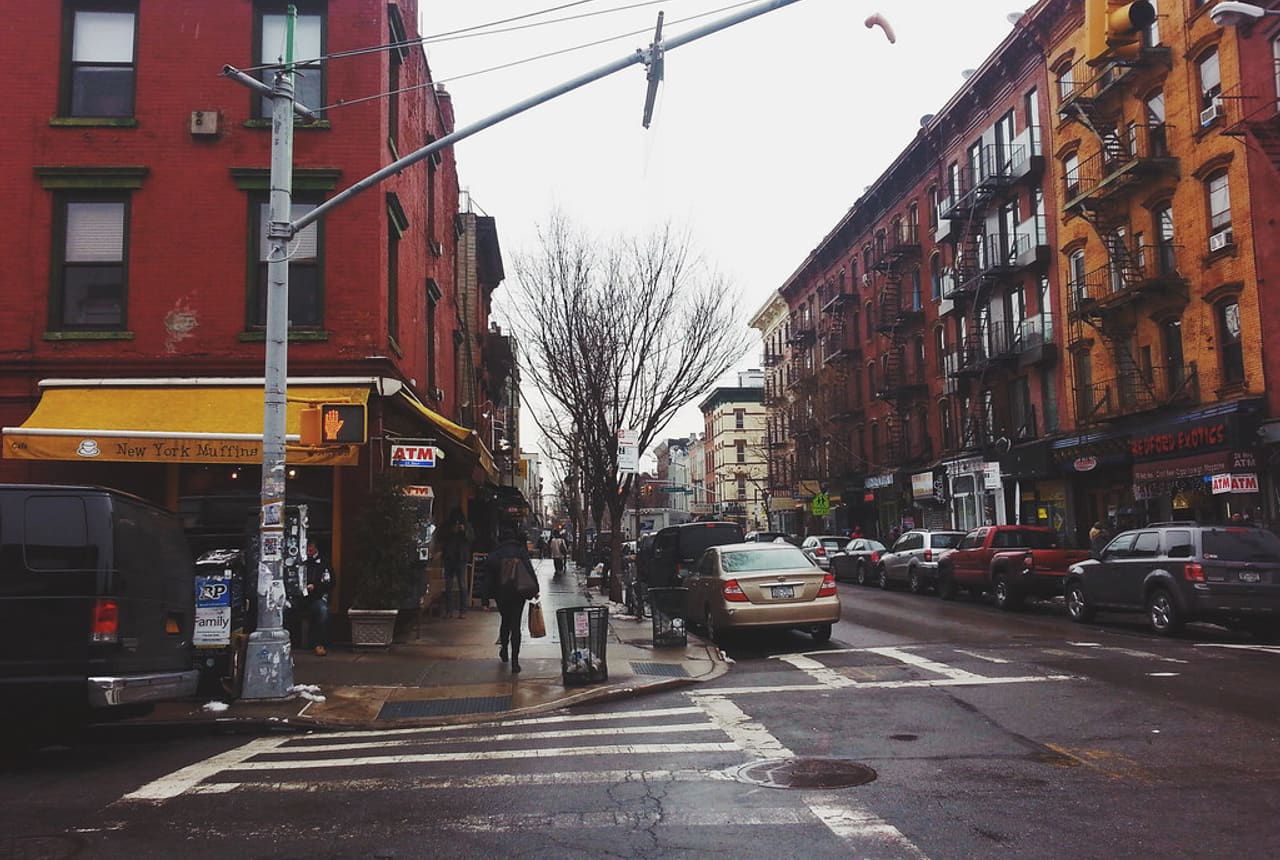
Foto: Yilei (Jerry) Bao / Unsplash
Not sure what you need?
Find out in two minutes whether ESTA or a visa is right for you. We guide you personally through your visa application.
US-Visa-Service Redaktion
US entry & visa editorial team
Carefully researched and regularly reviewed. Non-binding guidance — the final decision on entry and visas rests solely with the US authorities.
Keep reading
Traveling to the USA for the First Time: Preparation & Everyday Life
A practical guide for your first trip to the USA: checklist, ESTA, travel health insurance, tipping, payments, eSIM, rental cars and everyday life – with up-to-date facts for 2026.
Read
US National Parks in the West: The Ultimate Road Trip Guide
Grand Canyon, Zion, Yellowstone, Yosemite and more: this guide covers the best routes, ideal travel seasons, the America the Beautiful annual pass, and everything you need to know before you go.
Read
Hawaii – Islands, Beaches & Volcanoes: Your Complete Travel Guide
Honolulu, Waikiki, the Road to Hana, active volcanoes, whale watching – Hawaii packs more wonder into one US state than almost anywhere else. Find out which island suits you, when to go, and what you need to know about entry requirements.
Read